
.svg)
Top 10 Webflow Website for a Luxury Goods Company
.svg)
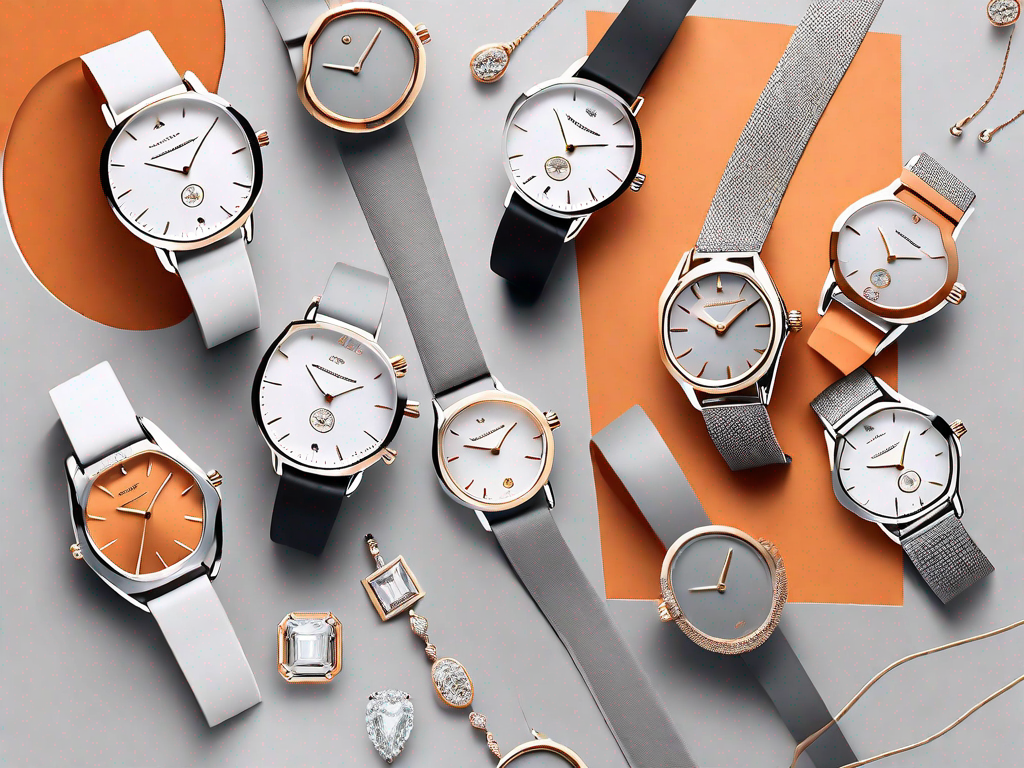
Having a visually appealing and user-friendly website is crucial for luxury brands looking to make an impact online. Web design plays a significant role in creating a seamless and immersive experience that reflects the opulence and exclusivity associated with luxury goods. In this article, we will explore the importance of web design for luxury brands and highlight the top 10 Webflow websites that are perfect for any luxury goods company.
Understanding the Importance of Web Design for Luxury Brands
When it comes to luxury brands, aesthetics are everything. The design of a website sets the tone and creates an instant impression on visitors. A well-designed website not only showcases the brand's unique style and values but also tells a compelling story that resonates with the target audience.
Furthermore, luxury brands need to provide a seamless user experience that mirrors the exclusivity and sophistication of their products or services. A visually stunning website with intuitive navigation can enhance the overall brand perception and leave a lasting impression on potential customers.
But what exactly makes a luxury website stand out? Let's delve deeper into the world of luxury web design and explore the key elements that contribute to its success.
The Role of Aesthetics in Luxury Web Design
Aesthetics are at the heart of luxury web design. Every element on the website, from the color palette to the typography, needs to evoke a sense of elegance and refinement. Clean lines, high-quality images, and carefully chosen fonts contribute to the overall luxurious feel of the site.
Imagine visiting a luxury brand's website and being greeted by a harmonious blend of rich colors that reflect the brand's heritage and values. The carefully selected fonts, whether classic or modern, add an extra layer of sophistication to the overall design. Such attention to detail creates a visually pleasing experience that resonates with luxury enthusiasts.
Additionally, attention to detail is paramount. Luxury brands must pay close attention to the placement and spacing of elements, ensuring that every aspect of the website aligns with the brand's image. From the homepage to the product pages, each section should exude sophistication and exclusivity.
Consider a luxury fashion brand's website where every image is meticulously placed to highlight the craftsmanship of their products. The spacing between elements is carefully calibrated to create a sense of balance and harmony. These design choices not only showcase the brand's attention to detail but also enhance the user experience, making it a delight to explore the website.
How Web Design Influences Brand Perception
The design of a luxury brand's website directly impacts how the brand is perceived by consumers. A thoughtfully designed website instills trust and credibility in potential customers, making them more likely to make a purchase or engage with the brand.
On the other hand, a poorly designed website can create doubts about the brand's authenticity and quality. In the world of luxury goods, where attention to detail is of utmost importance, a subpar website can have a detrimental effect on the overall brand perception.
Imagine stumbling upon a luxury brand's website that is cluttered with an overwhelming amount of information, inconsistent design elements, and slow-loading pages. The lack of attention to detail and user experience can lead potential customers to question the brand's commitment to quality, ultimately driving them away.
Conversely, a well-designed luxury website can evoke a sense of exclusivity and sophistication. The seamless user experience, visually appealing layout, and intuitive navigation can make potential customers feel like they are embarking on a luxurious journey. This positive impression can strengthen brand loyalty and drive customer engagement.
In conclusion, web design plays a crucial role in shaping the perception of luxury brands. Aesthetics, attention to detail, and user experience are key elements that contribute to a successful luxury website. By investing in high-quality web design, luxury brands can create a digital presence that reflects their unique style, values, and commitment to excellence.
The Power of Webflow for Luxury Goods Websites
Webflow offers a powerful platform for luxury goods websites, providing a range of features and capabilities that are tailor-made for the unique needs of luxury brands. Let’s take a look at some of the key features that make Webflow an ideal choice for creating stunning and impactful luxury goods websites.
When it comes to luxury brands, attention to detail is paramount. Every aspect of their online presence needs to exude elegance and sophistication. With Webflow's intuitive visual editor, designers can create pixel-perfect websites without the need for coding. This means that luxury brands can work closely with designers to bring their vision to life, ensuring that every element of the website is perfectly aligned with their brand identity. From the choice of fonts to the placement of images, Webflow empowers designers to create a truly immersive and visually captivating experience for visitors.
But Webflow doesn't stop at just design. It also offers a range of eCommerce features that allow luxury brands to seamlessly sell their products online. With secure payment gateways and inventory management tools, Webflow provides all the necessary infrastructure for a successful online store. This means that luxury brands can focus on what they do best – creating exceptional products – while Webflow takes care of the technical aspects of running an eCommerce website.
Why Choose Webflow for Your Luxury Goods Website
Choosing Webflow for your luxury goods website brings numerous benefits. Not only does it provide a user-friendly platform for designing and managing your website, but it also offers unparalleled flexibility and customization options. With Webflow, luxury brands can stand out from the competition and create a truly unique online presence.
One of the advantages of Webflow is its ability to adapt to different screen sizes. In today's mobile-first world, it's crucial for luxury brands to have a website that looks stunning on any device. With Webflow's responsive design capabilities, your website will automatically adjust its layout and content to provide the best possible user experience, whether your visitors are browsing on smartphones, tablets, or desktop computers.
Another reason to choose Webflow is its extensive community and resources. Webflow has a vibrant community of designers and developers who are constantly sharing their knowledge and expertise. This means that if you ever get stuck or need inspiration, there's always someone ready to help. Additionally, Webflow provides comprehensive documentation and tutorials, making it easy for anyone to learn and master the platform.
Lastly, Webflow offers excellent performance and security. Your luxury goods website will benefit from fast loading times and robust security measures, ensuring a smooth and secure browsing experience for your visitors. With Webflow, you can rest assured that your website is in good hands.
In conclusion, Webflow is a powerful platform that is perfectly suited for luxury goods websites. Its intuitive visual editor, eCommerce features, flexibility, and responsive design capabilities make it an ideal choice for luxury brands looking to create stunning and impactful online experiences. With Webflow, you can elevate your brand and captivate your audience, ultimately driving sales and establishing a strong online presence in the competitive luxury goods market.
Top 10 Webflow Websites for Luxury Goods Companies
Now that we understand the importance of web design for luxury brands and the power of Webflow, let's explore the top 10 Webflow websites that are perfect for luxury goods companies. These websites have been carefully selected based on their captivating designs, seamless user experience, and ability to showcase luxury brands in their full glory.
Website 1: A Detailed Review
DAVINCI XXI demonstrates how luxury watch brands establish immediate visual impact through Webflow's video capabilities. Designed by Inca Olaogun, the monochromatic elegance creates sophisticated restraint that allows timepieces to command attention. A looping homepage video shows models displaying DAVINCI XXI watches in refined settings, establishing brand positioning before visitors scroll beyond the fold.
The site emphasises personalised services through customisable watch options and signature engravings, addressing affluent customers' desire for exclusivity. This customisation approach recognises that luxury consumers seek products reflecting individual identity rather than mass-market uniformity. Testimonials appear strategically throughout the browsing experience, providing social proof that validates the brand's premium positioning. Partner logos including Mercedes reinforce credibility through association with established luxury names.
Parallax scrolling effects separate distinct watch collections, creating visual variety that maintains engagement during extended browsing sessions. The hamburger menu positioned in the top-left corner provides quick navigation access without cluttering the minimal interface. This design choice reflects luxury web conventions where restrained navigation preserves focus on product imagery and brand storytelling.
Website 2: A Detailed Review
WHITE PLAN's fashion website showcases how Webflow enables luxury brands to communicate brand philosophy through design restraint. The homepage centres on a clear mission statement: "Creating the space for the ladies to find her own path." This messaging-forward approach prioritises brand values over aggressive product promotion, reflecting confidence that customers will engage based on philosophical alignment rather than discount incentives.
A simple floral illustration adds artistic character without overwhelming primary content or competing with product imagery. This balance demonstrates sophisticated design thinking where decorative elements enhance rather than dominate. The bottom-of-page placement for customer service information and subscription options ensures functional elements remain accessible without disrupting the aspirational upper-page content.
The hover-activated left-side menu provides navigation convenience while maintaining visual minimalism. This interaction pattern keeps the interface clean during browsing while offering immediate access when customers seek specific categories or information. The white and neutral colour palette creates gallery-like presentation where products become focal points rather than competing with busy backgrounds or excessive branding.
Website 3: A Detailed Review
Emmanuelle Silk demonstrates how luxury fashion brands use Webflow to create striking first impressions through bold visual statements. Designed by Dimitris Theofanous, the site features a hero image of a woman wearing patterned silk scarves that immediately communicates product category and aesthetic positioning. All-caps typography draws attention to newest arrivals, creating urgency without discount-based tactics inappropriate for luxury markets.
Scrolling reveals a dark colour palette including black, gray, and green that provides dramatic contrast against silk's inherent vibrancy. This colour strategy allows textile patterns and colours to stand out while maintaining sophisticated brand presentation. The rich, moody palette differentiates the brand from competitors using bright, cheerful aesthetics more appropriate for mass-market fashion.
The site architecture prioritises visual storytelling over information density, reflecting luxury consumer behaviour where purchases follow emotional engagement rather than specification comparison. High-resolution product photography occupies substantial screen space, enabling customers to appreciate fabric textures and pattern details critical to silk product evaluation. This image-forward approach acknowledges that luxury textile purchases involve sensory appreciation beyond practical function.
Website 4: A Detailed Review
A luxury jewellery brand built on Webflow's Jewel template demonstrates how templates can serve high-end markets when properly customised. The versatile e-commerce template designed by Webestica accommodates jewellery, luxury brands, fashion boutiques, and cosmetics through adaptable design elements. Reusable classes and global colour swatches enable consistent brand application across pages without repetitive manual styling.
Pre-built pages include product galleries, about sections, and contact forms that address standard luxury retail requirements. Responsive design ensures consistent presentation across devices, critical as luxury consumers increasingly research purchases on mobile devices before completing transactions on desktops or in-store. SEO optimisation built into template structure improves discoverability, although luxury brands typically rely more on brand awareness than search traffic compared to mass-market retailers.
Fast loading times preserve user experience quality that luxury customers expect from premium brands. Beautiful animations add sophisticated movement without gimmicky effects that might undermine luxury positioning. Free icons, fonts, and images included with the template reduce initial implementation costs, though most luxury brands replace these with custom photography and typography reflecting unique brand identities.
Website 5: A Detailed Review
Michael Kors Collection exemplifies luxury fashion brands using Webflow to showcase seasonal collections through immersive visual presentation. The website centres on Fall/Winter 2024 offerings, presenting high-quality imagery that functions as visual feast rather than basic product catalogue. Quick collection access combines with detailed brand information, serving both direct purchase intent and brand exploration motivations.
The site includes behind-the-scenes content that enhances overall brand experience beyond transactional purchasing. This editorial approach positions the website as magazine-quality brand publication rather than purely commercial retail platform. Luxury consumers engage with brands as cultural entities rather than mere product sources, and the behind-the-scenes content feeds this relationship dynamic.
The design and functionality reflect Michael Kors sophistication, targeting fashion-forward individuals appreciating quality and style. Navigation clarity enables efficient browsing while visual richness maintains luxury aesthetic standards. The balance between functionality and beauty demonstrates mature understanding of luxury e-commerce where both elements must excel simultaneously.
Website 6: A Detailed Review
A luxury accessories brand demonstrates how Webflow's Palazzo template serves fashion portfolios and luxury brand businesses through elegant presentation frameworks. The sophisticated template presents work in visually impressive, professional layouts that help brands stand out in competitive luxury markets. Animation and interaction features add polish without excessive movement that might appear frivolous.
Reusable components enable consistent brand application across site sections, maintaining visual cohesion essential for luxury positioning. Image editing propagates across component instances, reducing manual update work when refreshing seasonal photography. Web fonts, symbols, and retina-ready design ensure polished appearance across devices, meeting luxury consumers' expectations for flawless digital experiences.
The template's image-centric approach suits luxury accessories where product beauty drives purchase decisions. Large photography, minimal text, and generous white space let products speak through visual appeal rather than specification lists. This restraint reflects confidence that luxury goods sell through desire rather than rational feature comparison.
Website 7: A Detailed Review
A high-end watch retailer built on Webflow demonstrates how luxury timepiece brands establish exclusivity through content strategy. The site integrates celebrity endorsements prominently, featuring personalities from sports, film, and science wearing various watch models. This influencer approach, when executed with genuine partnerships rather than paid placements, builds aspirational associations that luxury positioning requires.
Content focuses on brand heritage and global event participation, positioning the company as participant in exclusive experiences rather than mere product manufacturer. Where competitors might feature watchmaking blogs or technical content, this brand emphasises its centrality to prestigious occasions worldwide. This content strategy recognises that luxury watch purchases involve status and belonging rather than technical capability alone.
The website architecture ensures celebrities and exclusive content appear throughout browsing journeys, not relegated to isolated about pages. This integration reinforces exclusivity messaging at every touchpoint, addressing the reality that luxury consumers need continuous reassurance about brand prestige and social positioning that luxury goods provide.
Website 8: A Detailed Review
A luxury fashion retailer demonstrates how Webflow's Clarkson template serves minimal e-commerce aesthetics preferred by sophisticated brands. The clean, immersive platform showcases and sells products through restrained design that lets merchandise command attention. The template guarantees visual appeal that entices purchases through desire rather than promotional pressure.
Key features include web fonts, symbols, and retina-ready design ensuring polished, consistent appearance critical for luxury brand credibility. The minimal aesthetic aligns with contemporary luxury trends favouring simplicity over ornate decoration. This restraint paradoxically requires greater design sophistication, as every element must justify its presence and contribute meaningfully to overall composition.
The template structure supports content hierarchy where products receive primary visual focus while supporting information remains accessible but unobtrusive. This organisation reflects luxury retail psychology where customers seek inspiration and aspiration first, practical details second. The immersive browsing experience encourages exploration and discovery rather than efficient task completion.
Website 9: A Detailed Review
A luxury goods conglomerate built on Webflow demonstrates how major brands use the platform for flagship digital presence. The site employs full-screen product photography that creates gallery-like browsing experiences appropriate for luxury positioning. Navigation simplicity belies sophisticated information architecture organising diverse product categories without overwhelming visitors.
The colour scheme uses rich, elegant tones including gold, black, and white that enhance luxury perception through colour psychology associations with wealth and exclusivity. Ample white space allows these statement colours to resonate without visual clutter. This restrained palette demonstrates understanding that luxury web design succeeds through subtraction rather than addition.
Responsive design ensures consistent experiences across devices while maintaining visual integrity on every screen size. Storytelling elements highlight brand history, values, and unique selling propositions that justify premium pricing. This narrative approach recognises that luxury purchases involve meaning and identity beyond functional product attributes.
Website 10: A Detailed Review
A luxury brand showcase built on Webflow's Framy template demonstrates versatility in presenting diverse product categories from fashion to jewellery. The adaptable template displays and sells clothing, shoes, accessories, and jewellery through unified design language. This consistency matters for luxury brands where visual cohesion across categories reinforces brand identity and positioning.
The template's design guarantees brand prominence in competitive fashion markets while delivering smooth user experiences. Smooth animations and clean typography create visually pleasing shopping environments that reflect product quality through presentation quality. This design-as-quality-signal approach leverages the psychological principle that people infer product excellence from surrounding context.
Modern features enhance user engagement through background video capabilities enabling immersive product presentation. E-commerce setup ensures efficient online shopping without sacrificing aesthetic standards. Integrated form elements facilitate customer interactions for inquiries, appointments, or personalisation requests common in luxury retail. The responsive layout optimises usability across devices, recognising that luxury consumers begin research on mobile devices even when preferring desktop or in-store purchase completion.
Conclusion
Perth's luxury goods market operates within Australia's broader luxury sector, which reached $3.5 billion in personal luxury goods sales during 2023. Western Australia's economic prosperity, driven by resources sector wealth, creates concentrated affluent populations in Perth's western suburbs where luxury retail naturally clusters. This demographic concentration enables Perth luxury brands to serve sophisticated consumers who increasingly expect digital experiences matching international luxury standards.
Webflow addresses specific challenges Perth luxury brands face when establishing premium online presence. The platform's visual development approach eliminates dependence on scarce Perth-based Webflow developers who command premium rates. Monthly subscription pricing starting at $14 for basic hosting and scaling to enterprise solutions provides accessible entry points for emerging luxury brands and established retailers alike. This predictable cost structure contrasts with custom development projects typically starting at $30,000 and requiring ongoing maintenance expenses.
The global luxury goods market reached $354 billion in 2023, with online channels accounting for increasing sales shares projected to reach 30% by 2030. Perth luxury retailers must establish credible digital presence to capture these online buyers while serving local customers who research online before in-store purchases. Webflow enables Perth brands to create websites matching European and American luxury standards without engaging international development agencies.
Mobile commerce proves particularly important for luxury goods, as research indicates 65% of luxury consumers begin purchase journeys on smartphones. Webflow's responsive design ensures Perth luxury brands maintain visual sophistication across devices without separate mobile development. Product imagery, brand storytelling, and navigation elegance that define luxury web experiences translate effectively to smaller screens through Webflow's flexible layouts.
Australian luxury consumers demonstrate preferences for established international brands while showing growing interest in domestic luxury offerings. Perth luxury brands can position themselves effectively through websites communicating craft quality, exclusivity, and brand heritage that resonate with affluent buyers. Webflow's content management capabilities support the editorial approaches necessary for storytelling-driven luxury marketing where purchases follow emotional engagement rather than rational comparison.
Perth's geographic position creates opportunities for Asian luxury market access. Western Australia's time zone aligns better with Singapore, Hong Kong, and Shanghai than eastern Australian cities, potentially benefiting luxury brands serving Asian consumers. Webflow's multilingual capabilities and international payment integration support export-focused luxury businesses targeting growth markets throughout Asia where Australian luxury goods command premium positioning.
The platform's design flexibility proves essential for luxury brands where visual differentiation determines competitive positioning. While template-based systems risk generic appearance, Webflow's customisation depth allows Perth designers to create unique brand expressions. The visual editor enables pixel-perfect refinement matching luxury brands' exacting aesthetic standards, while code access permits advanced customisation when required.
However, Perth luxury brands must assess whether Webflow aligns with specific business requirements. Brands requiring complex inventory management across multiple retail locations might find Webflow's native e-commerce capabilities insufficient compared to dedicated platforms. High-transaction-volume brands may need integration with specialised retail management systems beyond Webflow's standard offerings.
The examined websites demonstrate that luxury brands can establish compelling digital presence serving both brand building and commercial objectives. Success requires understanding luxury consumer psychology where websites must inspire desire through beauty while facilitating purchases through functionality. Perth luxury businesses gain rapid implementation advantages compared to custom development, with sophisticated websites achievable within weeks rather than months.
Western Australia's luxury retail sector shows resilience despite economic cycles, with affluent populations maintaining luxury consumption during downturns affecting mass-market spending. This stability makes Perth an attractive luxury market, while digital channels enable Perth brands to reach national and international customers beyond local populations. A professional website becomes essential infrastructure for luxury brands pursuing growth beyond Perth's geographical constraints.
For Perth luxury entrepreneurs establishing fashion, jewellery, accessories, or lifestyle brands, Webflow removes technical barriers to premium digital presence. New luxury ventures can establish credible brand platforms immediately rather than delaying online presence while accumulating capital for custom development. This rapid deployment allows market testing and customer acquisition during critical early phases when momentum determines survival.
The luxury goods sector increasingly recognises that digital presence directly impacts brand perception, with customers evaluating brand legitimacy partly through website quality. Perth luxury brands without sophisticated digital presence risk perception as regional or amateur operations regardless of actual product quality. Webflow enables Perth businesses to project international luxury standards, competing effectively against established brands for customer attention and wallet share.
Luxury consumer behaviour demonstrates that website quality influences willingness to pay premium prices. Research from luxury market analysts indicates that poorly designed websites reduce price premiums customers accept by 25% or more. Conversely, sophisticated digital presence justifies luxury pricing by signalling quality, attention to detail, and brand investment that customers expect from premium offerings. Webflow gives Perth luxury brands tools to create websites supporting rather than undermining premium pricing strategies.
Related Posts




Let's
Let’s discuss how we can bring reinvigorated value and purpose to your brand.
.svg)