
.svg)
The Future of Retail: Integrating Omnichannel Experiences
.svg)

The retail landscape is undergoing a seismic shift, driven by rapid technological advancements and evolving consumer expectations. At the heart of this transformation is the concept of omnichannel retailing, which seeks to provide a seamless shopping experience across all channels, whether online or offline. As retailers strive to meet the demands of the modern consumer, integrating omnichannel experiences has become not just a competitive advantage, but a necessity for survival in the dynamic retail environment.
Understanding Omnichannel Retailing
Defining Omnichannel
Omnichannel retailing refers to a fully-integrated approach to commerce, providing customers with a unified experience across all platforms and devices. Unlike multichannel retailing, which simply offers multiple purchase avenues, omnichannel ensures that these channels are interconnected, allowing for a seamless transition from one to another. This means that a customer can browse products on a mobile app, purchase them on a desktop website, and pick them up in-store without any disruption in their shopping journey.
The Importance of Omnichannel Experiences
In today's fast-paced world, consumers expect convenience and flexibility. They want to shop on their own terms, whether it's through a smartphone, a laptop, or a physical store visit. Omnichannel experiences cater to these expectations by offering a cohesive and personalised shopping journey. This approach not only enhances customer satisfaction but also fosters brand loyalty, as consumers are more likely to return to a retailer that meets their needs across various touchpoints.
Challenges in Implementing Omnichannel Strategies
While the benefits of omnichannel retailing are clear, implementing such strategies can be challenging. Retailers must overcome hurdles such as integrating disparate systems, managing inventory across multiple channels, and ensuring consistent branding and messaging. Additionally, data privacy concerns and the need for robust cybersecurity measures add another layer of complexity to the omnichannel equation.
Key Components of an Effective Omnichannel Strategy
Unified Commerce Platforms
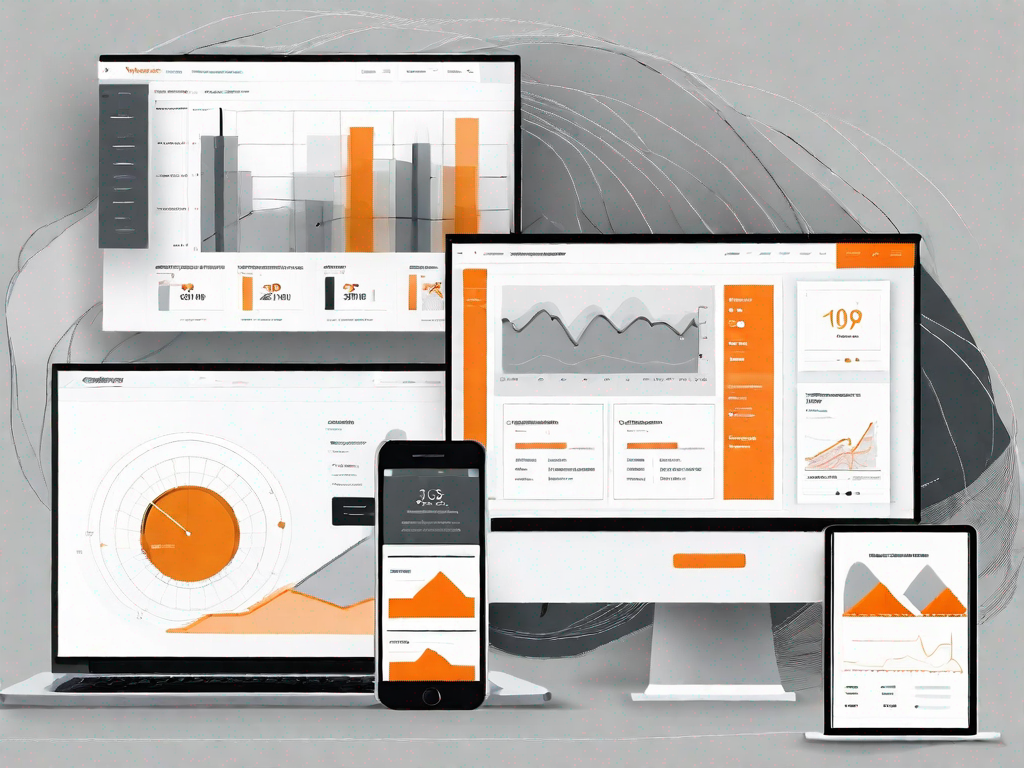
To successfully implement an omnichannel strategy, retailers need a unified commerce platform that centralises data and operations. This platform should seamlessly integrate with existing systems, such as inventory management, customer relationship management (CRM), and point-of-sale (POS) systems. By consolidating these functions, retailers can gain a holistic view of their operations and make data-driven decisions that enhance the customer experience.
Personalisation and Customer Engagement
Personalisation is a cornerstone of effective omnichannel retailing. By leveraging data analytics and artificial intelligence, retailers can tailor their offerings to individual customer preferences and behaviours. This might include personalised product recommendations, targeted promotions, and customised marketing messages. Engaging customers in this way not only increases conversion rates but also builds long-term relationships by making customers feel valued and understood.
Seamless Integration Across Channels
A truly omnichannel experience requires seamless integration across all channels. This means that customers should be able to start their shopping journey on one platform and continue it on another without any friction. For example, a customer might add items to their cart on a mobile app and then complete the purchase on a desktop website. Ensuring that data flows smoothly between channels is crucial for providing a consistent and satisfying customer experience.
The Role of Technology in Omnichannel Retailing
Artificial Intelligence and Machine Learning
Artificial intelligence (AI) and machine learning (ML) are playing an increasingly important role in omnichannel retailing. These technologies enable retailers to analyse vast amounts of data to gain insights into customer behaviour and preferences. AI-powered chatbots, for instance, can provide instant customer support across various platforms, while ML algorithms can predict future purchasing trends and optimise inventory management.
Augmented Reality and Virtual Reality
Augmented reality (AR) and virtual reality (VR) are transforming the way consumers interact with products. By offering immersive experiences, these technologies allow customers to visualise products in their own environment before making a purchase. For example, a furniture retailer might use AR to let customers see how a sofa would look in their living room, enhancing the decision-making process and reducing the likelihood of returns.
Blockchain and Data Security
As retailers collect more data to personalise the shopping experience, ensuring data security becomes paramount. Blockchain technology offers a solution by providing a secure and transparent way to store and manage data. By using blockchain, retailers can protect customer information from breaches and build trust with their audience. Additionally, blockchain can streamline supply chain operations, providing greater transparency and traceability.
Future Trends in Omnichannel Retailing
Increased Focus on Sustainability
As consumers become more environmentally conscious, retailers are placing a greater emphasis on sustainability. This trend is reflected in omnichannel strategies, with retailers offering eco-friendly delivery options, reducing packaging waste, and promoting sustainable products. By aligning with consumer values, retailers can differentiate themselves in a crowded market and attract a loyal customer base.
Enhanced Mobile Experiences
With the proliferation of smartphones, mobile commerce is set to become a dominant force in the retail industry. Retailers are investing in mobile-optimised websites and apps to provide a seamless shopping experience on the go. Features such as mobile payment options, location-based services, and personalised notifications are enhancing the mobile shopping experience and driving sales.
The Rise of Social Commerce
Social media platforms are increasingly becoming a key component of the omnichannel retail strategy. Social commerce allows consumers to discover and purchase products directly through social media channels, blurring the lines between social networking and online shopping. By leveraging social media influencers and user-generated content, retailers can reach a wider audience and drive engagement.
Conclusion: Embracing the Omnichannel Future
The future of retail lies in the successful integration of omnichannel experiences. As technology evolves and consumer expectations rise, retailers must adapt to remain competitive. By embracing omnichannel strategies, retailers can provide a seamless, personalised, and engaging shopping experience that meets the needs of the modern consumer. This approach not only enhances customer satisfaction but also drives growth and profitability in an ever-changing retail landscape.
As retailers look to the future, the focus will be on leveraging technology to create innovative and sustainable shopping experiences. By staying ahead of the curve and embracing the omnichannel revolution, retailers can position themselves for success in the dynamic world of retail.
Related Posts




Let's
Let’s discuss how we can bring reinvigorated value and purpose to your brand.
.svg)